A salon consult board from one selfie
A stylist built a six option consult board from one client selfie before the appointment. What it settled, what it cost, and where it quietly misled.
MarketingA stylist I know kept having the same conversation. A client would arrive with a photo of somebody else and want that haircut.
The photo is never of them, and the gap between a cut on a stranger and the same cut on you is where consultations go wrong.
Face shape, hair colour and how much hair there is all change what a cut looks like. A magazine photo controls for none of that.
What she built instead
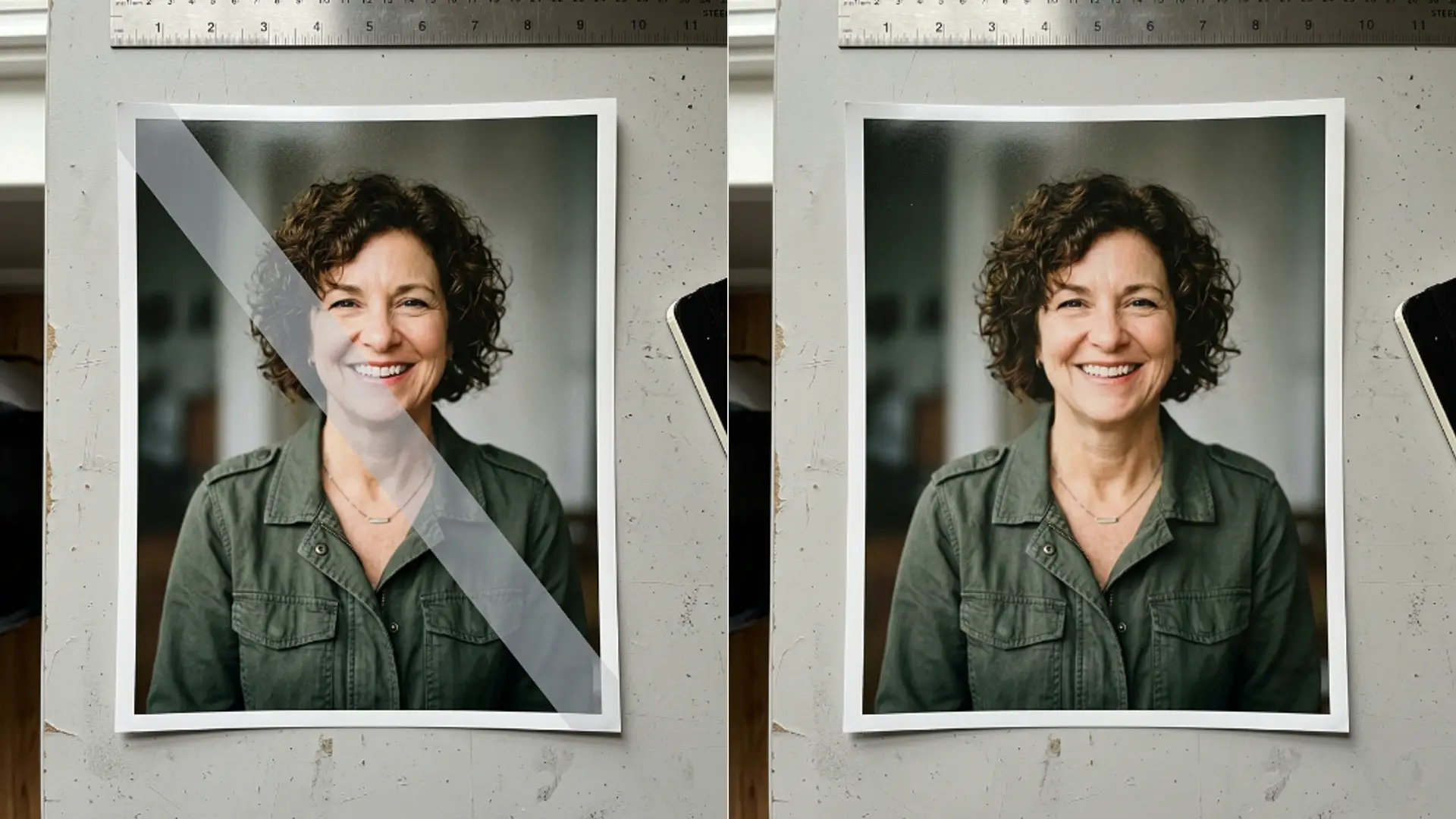
She asked clients to send one selfie the day before, taken against a plain wall with their hair down.
Then she ran six cuts on it and sent back a single board of options before they arrived.
All six came from the AI Hairstyle Changer, at 4 credits each, which is 24 credits per client.
She kept the colour on No Change for all six, so every option showed the cut on their real hair colour.
That single decision is what made the board useful. Six cuts and six colours at once would have told nobody anything.
She picked the six by talking to the client first, so the board was a response rather than a scattergun.
Two were what the client asked for, two were near variants, and two were her own suggestions.
What it settled
The main thing was expectations, which is the expensive part of a consultation to get wrong.
Clients who wanted a pixie could see a pixie on their own face rather than on the person in the magazine.
Roughly a third changed their mind before arriving, which she counted as a success rather than a lost sale.
It also shortened the appointment. The conversation started from six concrete options instead of a description.
And it gave her a way to introduce a cut she thought would suit someone. Suggesting is easier when you can show it.
That last use turned out to be the most valuable. Clients accept a suggestion far more readily when it arrives as a picture of themselves.
She reckons it changed what people booked more often than the options they had asked for did.
Running one photo through several options and choosing at the destination size is the same method that worked for a set of avatars in a profile avatar from one headshot.
Where it misled
This is the part she was careful about, and it is worth being honest about.
The previews do not know hair texture. A cut that behaves one way on thick coarse hair and another way on fine hair looks the same in a preview.
That is a real gap and she covers it verbally every time. The picture shows a shape, not how it will fall.
The previews also flatter. Every option comes back looking freshly styled, which is not how a haircut looks on a Tuesday morning.
And the tied or braided options were the least reliable of the six, because the model has to invent structure that was never in the photo.
She stopped including braids on the board for that reason and now only shows cuts.
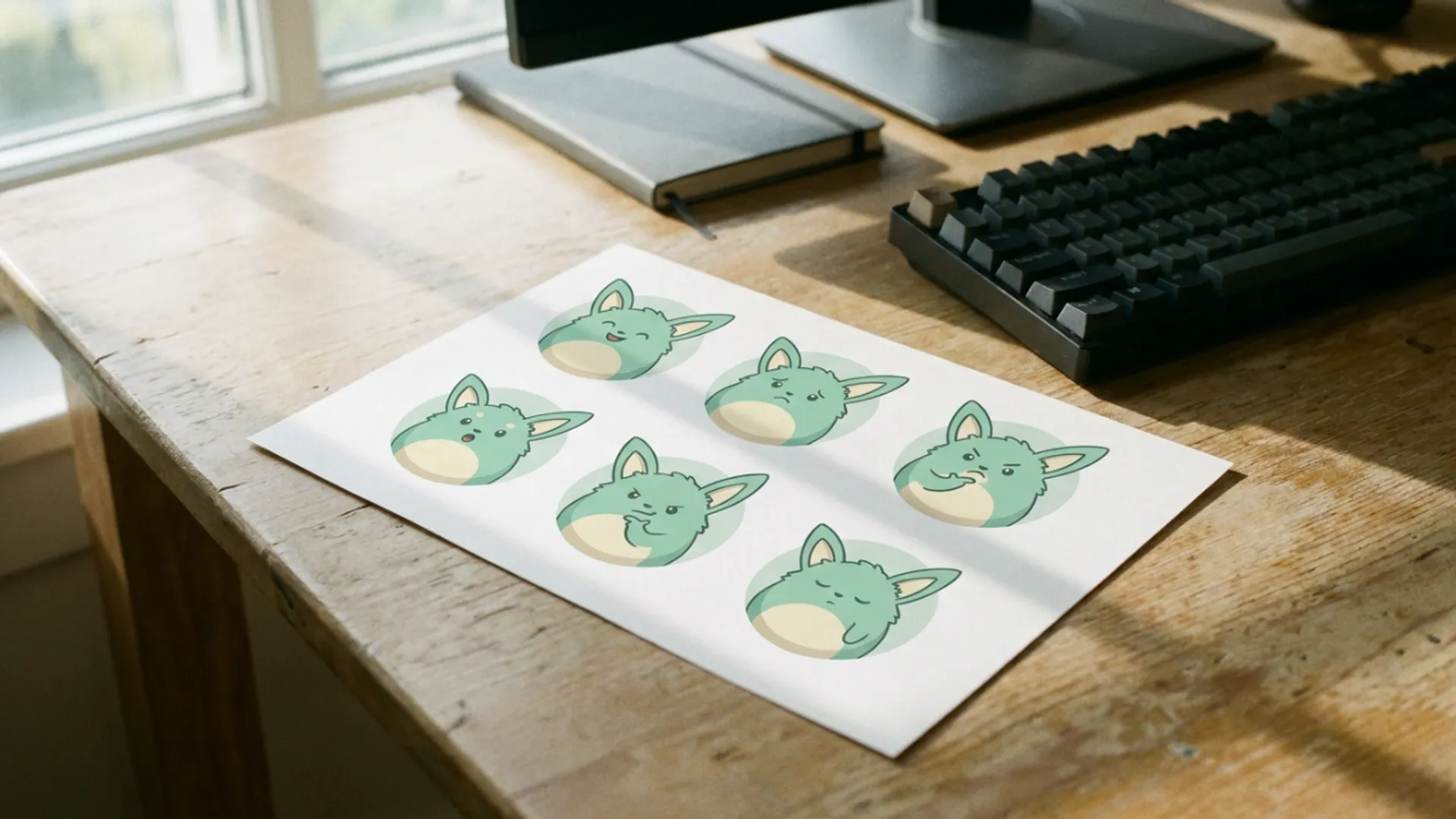
One client asked for an illustrated version of her board for a mood board, which is a different tool entirely. The AI Photo to Anime tool does that for 3 credits, and it is worth knowing it is a separate job rather than a setting here.
What made it work
Three habits, and none of them are about the tool.
- A clear photo brief to the client. Plain wall, hair down, facing the camera, good light.
- One variable at a time. Cuts only, real colour, so the board compares one thing.
- A spoken caveat about texture when handing the board over.
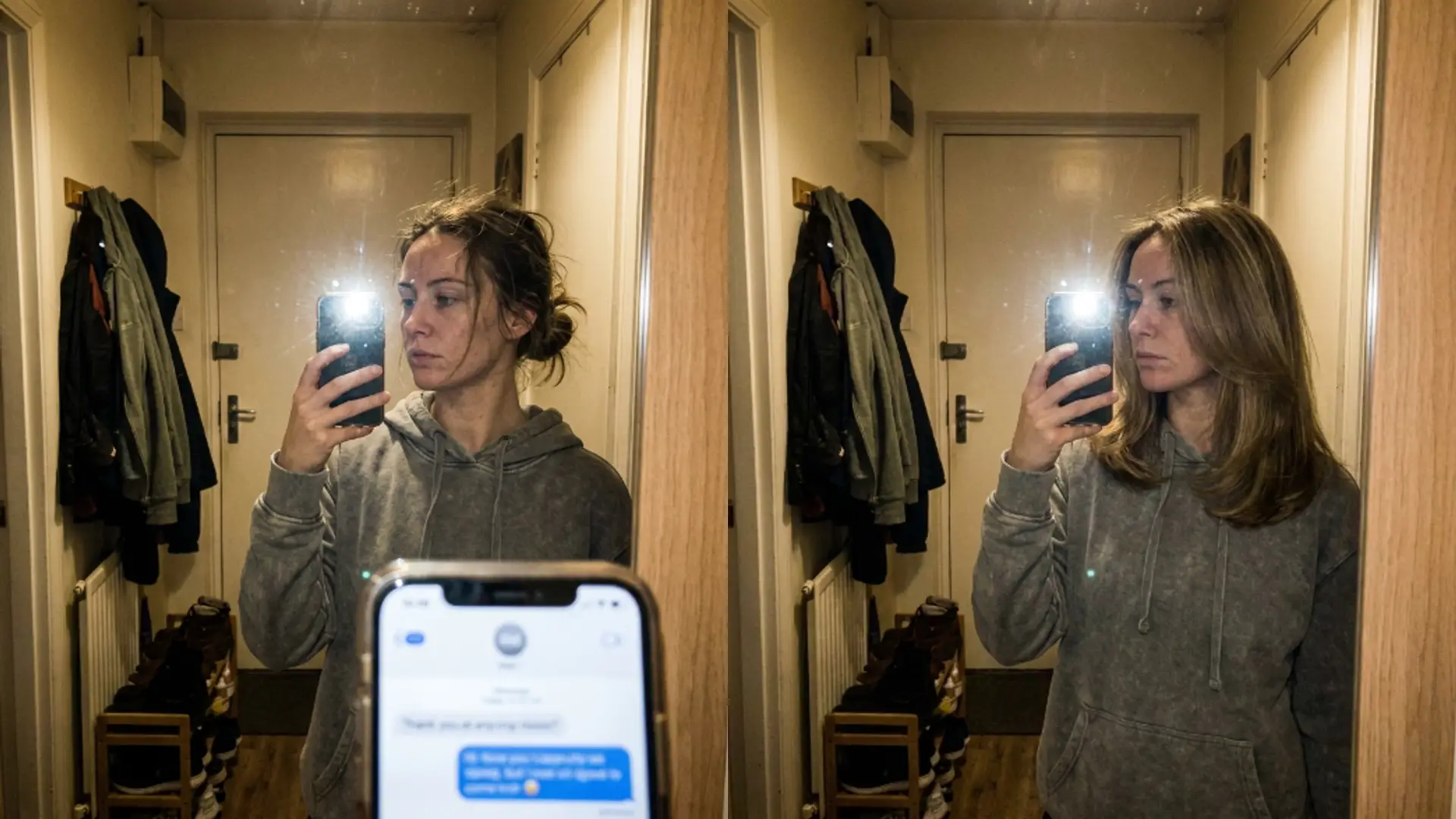
The photo brief did the most work. A selfie taken in a dark car produces six bad previews and a wasted 24 credits.
She rejects about one photo in five and asks for another, which costs nothing and saves the whole board.
The rejects are almost always the same two faults. Hair tied back, or a room too dark to separate hair from the wall behind it.
She now sends an example of a good photo alongside the request, which cut the reject rate roughly in half.
For a stylist, 24 credits against a shortened appointment and fewer disappointed clients is not a close calculation.
Show the shape, say the rest out loud. That is the whole approach and it has held up for months.
She has not tried to automate any of it, and that is a reasonable call at her volume. Six runs per client is a few minutes of clicking.
If the salon grew to the point where it was fifty clients a week, that arithmetic would change.
The other thing she has not done is charge for it. It is part of the consultation, and treating it as a service in itself would change how clients read the previews.
Free advice that happens to be a picture lands differently from a paid mockup.