Try a bob on your own photo
A step by step run for testing a bob before you commit to the cut, using Picverce AI Hairstyle Studio and the photo choice that decides the result.
TutorialsA bob is the most tested cut for a reason. It is a big enough change to be worth previewing and common enough that the model handles it well.
Here is the run in order, and the photo choice at the start matters more than every other step combined.
Take the right photo first
The tool replaces hair it can see, so what it can see sets the ceiling on the result.
- Face the camera straight on, not turned away.
- Hair down and visible, not tied back or under a hat.
- A plain wall behind you, ideally one that contrasts with your hair colour.
- Even light on your face, from a window rather than overhead.
- Space above your head in the frame, not cropped at the hairline.
The background one matters more than people expect. Dark hair against a dark room gives the model no boundary to work from.
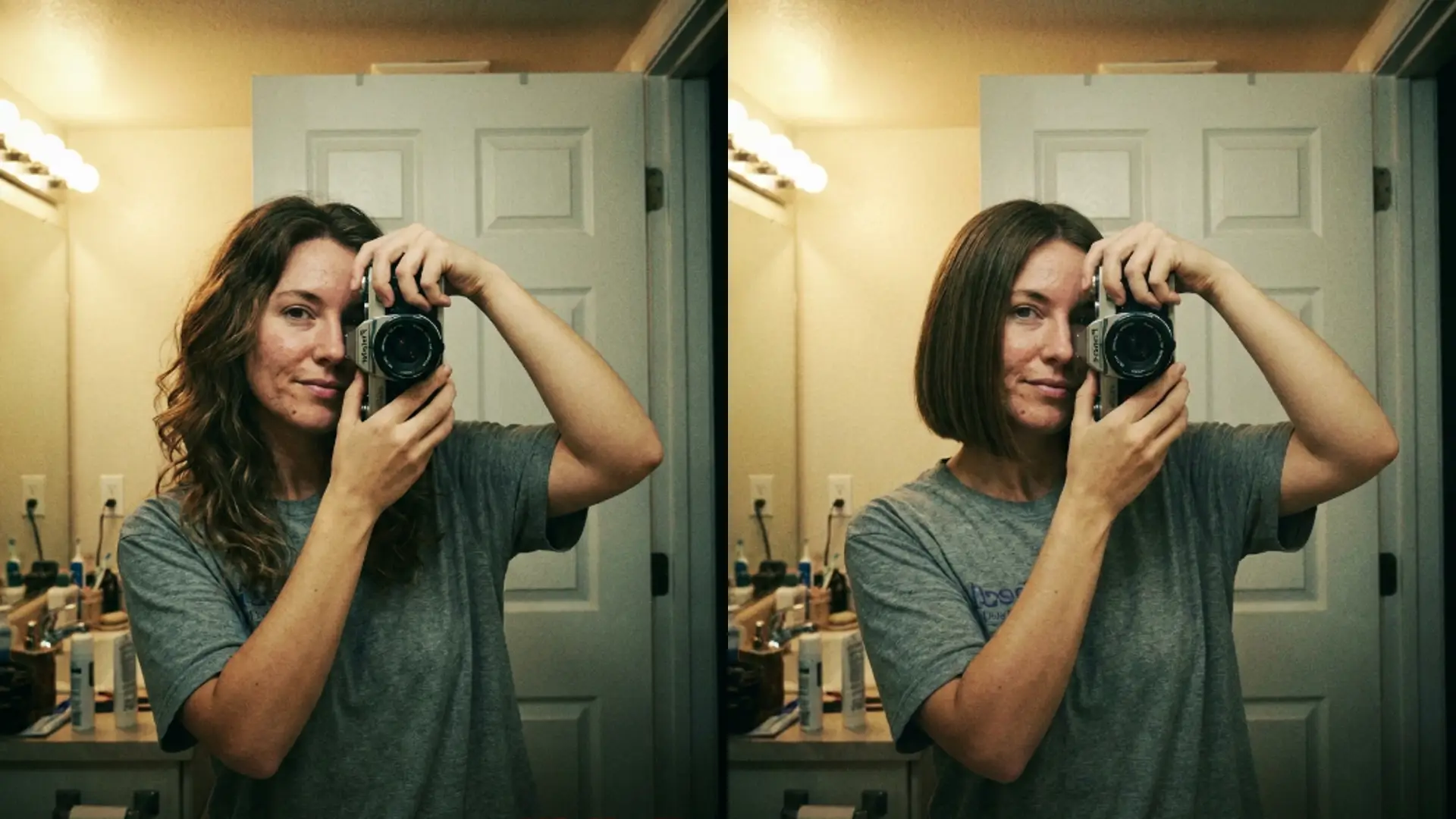
When I tested this with two photos of the same person, the one taken against a pale wall gave a clean jawline on the bob and the one taken against a bookshelf did not.
Do not crop too tight
A bob is shorter than long hair, so the change happens at the jaw rather than above the head.
Still leave room above the hairline. A crop that starts at your eyebrows removes the context the model uses to place the new shape.
Head and shoulders with a little space above is the framing that works for every cut in the list.
Glasses are worth a thought too. They survive fine, but a heavy frame sitting across the temple hides part of the hairline the model needs.
If you wear them and the result looks odd around the ears, one run without them answers the question.
Change one thing at a time
Open the AI Hairstyle Changer and upload your photo. Each run costs 4 credits, so a little discipline here saves real credits.
Pick the bob and leave the colour on No Change. That gives you the cut on your existing colour, which is the question you are actually asking.
Changing the colour at the same time makes the result harder to judge, because you cannot tell which choice you are reacting to.
The list carries several bob variants rather than one. A plain bob, an angled bob, an A line, an inverted and a graduated version among them.
Start with the plain one. It is the reference point, and the variants make more sense once you have seen it on your own face.
The variants differ in ways that are easy to miss described and obvious seen. An angled bob is longer at the front, an inverted one is shorter at the back.
Reading those definitions is far less useful than running two and looking.
Judge it properly
Open the result at full size rather than judging the thumbnail, because a bob lives or dies on its edges.
- The jawline. The cut should end cleanly rather than fading into your neck.
- The ends. They should look cut, with a defined line, not wispy.
- Your face shape. It should be unchanged. A bob that also narrowed your chin is not showing you anything useful.
- The parting. It should follow your natural one unless you asked for a different card.
If your face shape moved, that run is not information about the haircut and should be discarded rather than judged.
If the ends look wispy, try one of the sharper variants like the angled or inverted bob before concluding it does not suit you.
Judge it at the size you would actually see yourself, which is bigger than a thumbnail. A bob looks convincing small and shows its problems large.
And compare against the original rather than against the photo of somebody else you started from. That is the comparison that answers your question.
When to clean the photo first
A soft or noisy selfie produces a soft result, because the model is working from what it can make out.
If your only photo is soft, run the AI Image Enhancer at 2 credits first and use the cleaned copy. Six credits total beats three disappointing hairstyle runs at four each.
The prep step is the same one that helps every downstream tool, and it is walked through in clean up a soft phone photo in four steps.
Do not run the cleanup twice. A second pass hardens invented edges and the hairstyle step then works from those.
Everything you run lands in history with the original attached, so keep the good ones rather than re running to compare.
Three runs is a sensible budget. Plain bob, one variant, and one colour test on the winner.
Twelve credits to settle whether a cut suits you is cheap against sitting in a chair regretting it.
Download the one you like so you can show it to whoever is actually cutting your hair.